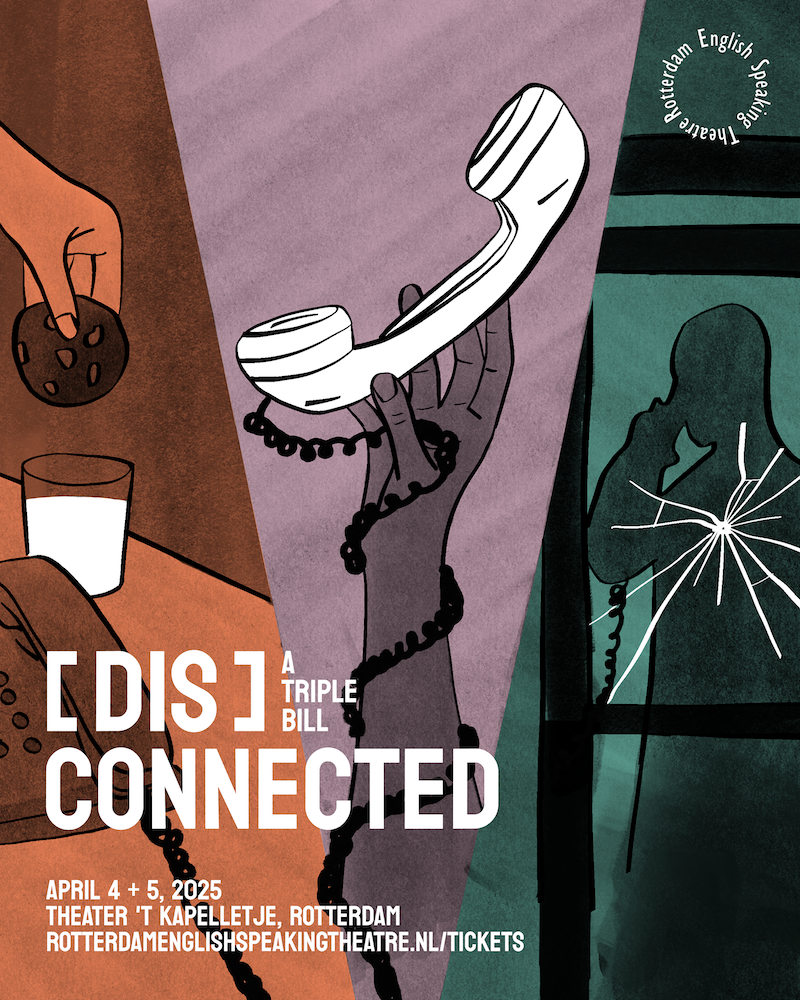
Daddy Cross, my friend and coworker with the best nickname in the world, is usually a very bold woman. The kind of power house I imagine Julia Louis-Dreyfus to be. Speaks truth to power in a voice that can do all sorts of things. Best physical comedy I’ve ever seen in a person. But I shouldn’t be surprised, because she’s a total theater kid. Last week, as I hobbled my way past her desk, she asked, in a squeaky voice: “Are you busy, like, in general?”
I’m never busy. I learned early on in University that answering the question “How are you?” with “Oh my, I’m so busy” was both boring and unproductive. I always reserve space for emergency design work, on-the-fly meetings, and time-sensitive requests. But Daddy Cross’ question wasn’t about work.
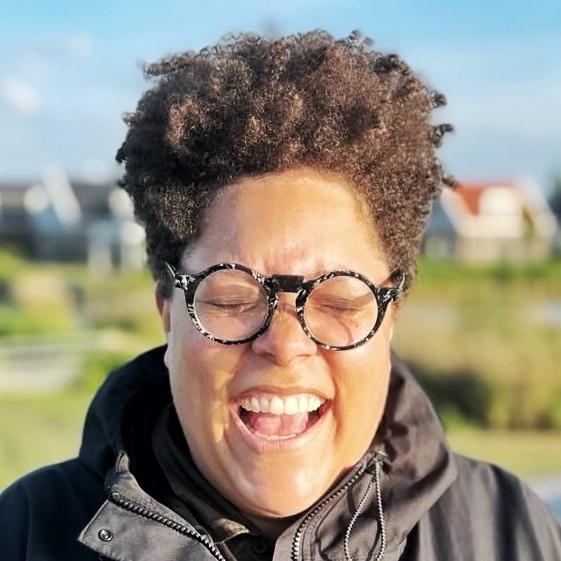
The procrastinating part of me celebrates these words.
I want a good calendar app. One I’m excited to use, that works across devices, and is happy with multiple accounts that didn’t all originate in its own ecosystem. I want it to be lightweight.
I want a beautiful way of organizing my areas of responsibility. The difference between organizing my objectives, and executing on them is growing larger by the day, it seems. I don’t see people around me who appear to have the same struggle.
How might we let users seamlessly manage calendars from multiple providers in one cross-device app that doesn’t feel heavy, slow, and unreliable?
As a design mentor, one of the things I encounter constantly is the stark difference between how some men and women speak of their own competencies. “May you be granted the confidence of a mediocre white man” is a phrase I utter at least twice a week. This morning, waiting for my local coffee spot to open, I saw a common occurrence of that level of confidence: somebody walked in before it opened, saying that, if undesired, the baristas would kick him out anyway. He returned three seconds later. I mused out loud, in front of him and two other friendly regulars who are themselves mediocre white men, that I was thinking about the thing I say to all my female and non-binary design mentees. I feel that my ability to do so in this social context proves that I, too, finally have the confidence of a mediocre white man. All this being said, though, I’m beginning to develop an appreciation for this alternative: “May you be granted the confidence of a disabled queer Muslim woman who, despite everything, dances in the rain.”
There’s a reason I keep thinking Millennials are the new Boomers, and that reason is me. Here are some thoughts on how I finally came to welcome AI as a friendly member of my UX toolkit.